Every deep cold snap, the calls follow the same script. A night in the teens, a hallway or a back bedroom that doesn’t get enough heat, and a pipe inside an exterior wall freezes solid. Ice expands, the pipe splits — and nothing happens until the temperature comes back up. Then the ice melts and water pours out of a crack nobody can see.
Where pipes freeze in Mott Haven buildings
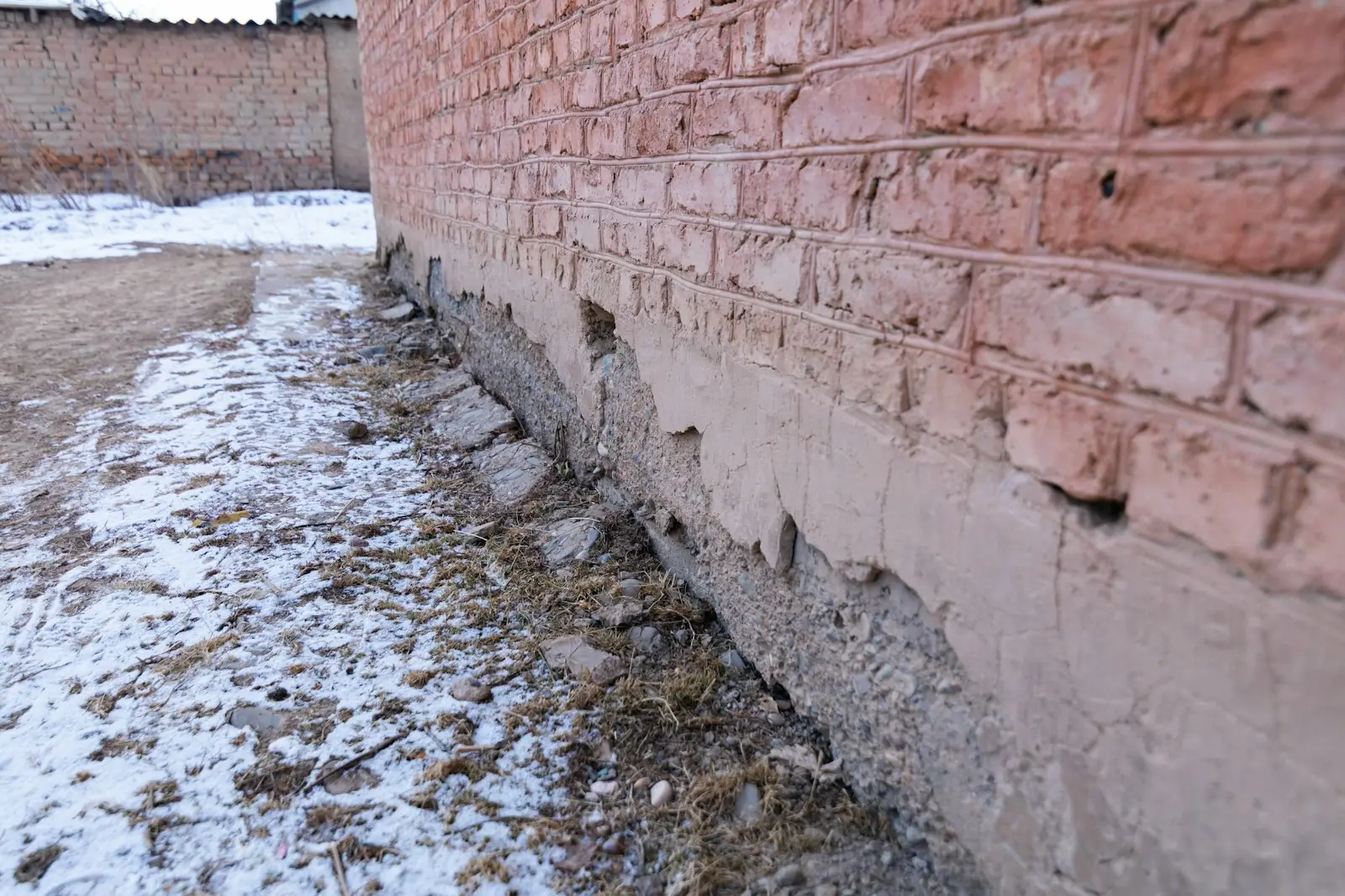
- Exterior walls, especially the back walls and corners of old brick walk-ups and rowhouses, where supply lines run close to the outside.
- Unheated hallways, stairwells and vestibules — and any line that runs past a broken window or an open roof door.
- Cellars and crawl spaces near vents, street-side walls or cellar doors.
- Sprinkler lines and heads near windows and in unheated areas. In February 2025, frozen sprinkler heads burst and flooded a newer rental building at 138 Bruckner Boulevard.
- Vacant apartments where the heat was turned down or the radiator valve was shut.
- Any building that loses heat. When a boiler goes down in January, every apartment is on the clock.
NYC heat rules — and why they matter for your pipes
From October 1 through May 31, NYC landlords have to keep apartments at at least 68°F between 6 a.m. and 10 p.m. when it’s below 55°F outside, and at least 62°F overnight, no matter the outdoor temperature. No heat? Report it to 311. A building that keeps its heat up is a lot less likely to freeze a pipe.
Signs a pipe is frozen — before it bursts
- A faucet that only trickles, or nothing comes out, on a very cold morning
- Frost or condensation on an exposed pipe
- A toilet that won’t refill
- A cold spot on a wall where a pipe runs, or an odd smell from a drain
I think a pipe is frozen. What do I do?
- Leave the faucet open so water can move when it starts to thaw.
- Open the cabinet doors under sinks on exterior walls to let warm air in.
- Warm it gently — a hair dryer or space heater kept at a safe distance. Never use an open flame or a torch.
- Tell the super right away and know where the shutoff is, in case it’s already split.
- If you see water once it thaws, shut it off and call us.
When it bursts on the thaw
A frozen pipe often splits in more than one place, and the water usually comes out inside a wall or above a ceiling. By the time anyone sees it, it may have run down several floors. Treat it like any burst pipe:
- Shut the water offFixture valve, riser valve or building main — the super can get to the last two.
- Get away from wet electricalEspecially water coming through light fixtures.
- Photos and videoThe source, the ceilings, the floors and your things — before anything moves.
- Call usWe map how far the water traveled, extract it, and start drying the same day.
Drying old buildings in winter
Winter drying has its own problems. Radiators blasting, windows shut, cold exterior walls — get it wrong and you push moisture into the coldest spots, where it condenses and grows mold. We set up dehumidifiers and air movers for the room and the season, keep plaster from drying so fast it cracks, and watch hardwood floors for cupping. Readings at every visit tell us when we’re done.
More on how we handle burst pipes →
Who pays when a frozen pipe bursts
If you rent, the landlord is responsible for the pipe and for making the apartment livable — and for keeping the heat on in the first place. Your belongings are usually covered by renters insurance. Owners: sudden bursts are commonly covered, but insurers may look hard at whether the building kept enough heat, so keep heating records and our documentation. Renter rights →
What it costs
A frozen-pipe burst caught quickly is usually clean water: typically $650 – $1,800 for one room or a small apartment area. Multiple units, plaster ceilings and hardwood floors add drying time. Water that sat for a day or two can become Category 2 at $1,200 – $4,000. You get a written estimate before work starts. Cost guide →
Before the next cold snap
- Keep the apartment heated, even when you’re away. Don’t shut the radiator valve in a room with pipes on the outside wall.
- On the coldest nights, let a faucet on an exterior wall drip and open the sink cabinets.
- Supers: close and seal cellar doors and vents, fix broken hallway and stairwell windows, check sprinkler heads near windows, and keep vacant units heated.
- Everyone: know where your shutoff is before you need it.
Frozen pipe FAQs
At what temperature do pipes freeze in NYC?
There’s no single number — it depends on how exposed the pipe is. Pipes in exterior walls, unheated hallways and cellars are at risk on nights in the teens and low 20s, especially when it stays cold for days or the heat goes off.
Can a frozen pipe burst without me seeing water?
Yes. The split often happens inside a wall or above a ceiling, and the water only shows up after it thaws — sometimes in the apartment below. A stain, a sag or dripping from a light fixture are the usual first signs.
My landlord didn’t keep the heat on and my pipe froze. Who pays?
The landlord is responsible for the pipe, for the repairs, and for providing heat under NYC rules. Report heat outages to 311. Your own belongings are usually covered by renters insurance.
Can I thaw a frozen pipe with a torch or a lighter?
No. Open flame can start a fire inside the wall. Use gentle heat — a hair dryer or a space heater at a safe distance — with the faucet open, and call the super.
Do you handle burst sprinkler heads?
Yes. We extract and dry after sprinkler discharges in apartments, hallways and commercial spaces. The sprinkler system itself has to be repaired by a licensed sprinkler contractor.