24/7 emergency line · Mott Haven, Bronx
Emergency Water Extraction in Mott Haven, Bronx NY
Water coming through the ceiling, up a floor drain, or out of a split pipe? We get it out today — before it soaks deeper into old plaster, floorboards and the apartment below. We pump out the standing water, tell you straight whether it’s clean or sewage, and dry the building the right way across Mott Haven, Port Morris and the St. Mary’s Park blocks.
- Open 24/7 — a person answers
- Licensed & insured
- Written estimate before work starts
- ZIP 10454 · 10451 · 10455
- 24 hours, 7 daysNights, weekends, holidays
- Sewage-ready crewsCategory 3 cleanup, done safely
- Insurance-ready paperworkPhotos, readings, drying logs
- Hablamos españolExplain it in the language you’re comfortable with
I rent my apartment
Flooded apartment? Here’s who pays for what.
In NYC, your landlord is usually responsible for drying and repairing the apartment — even when a storm backed up the sewer. We document the damage so your landlord or super can’t brush it off, and we can work directly with them.
Read the renter’s rundownI own or manage a building
One riser leak is never one apartment.
We stop the spread, extract in every affected unit, and hand you documentation your insurer and your tenants will accept — moisture maps, photos and daily drying logs.
Help for owners, managers & supersRight now
Do this in the next 10 minutes
You don’t have to fix anything yet. You just have to stop it from getting worse:
- Stay away from water near outlets, power strips or the panel. If you can reach the breaker without standing in water, shut off that room. If you can’t, leave it and wait for us.
- Smell gas? Get everyone out first, then call 911 or Con Edison at 1-800-75-CONED from outside the building.
- Stop the source if you can. Sink or toilet — close the little valve underneath. Wall, ceiling or riser — only the super can shut it, usually at the main in the cellar by the water meter.
- Water that came up a floor drain, toilet or tub? Treat it as sewage. Keep kids and pets out. No bare hands.
- Photos and video before you move anything — the waterline on the wall, the ceiling, the source, your things.
- Get furniture, electronics, papers and clothes up off the floor.
- Tell the super or landlord in writing. A text counts. Note the time.
- Don’t run a household vacuum on it — and never on sewage.
Then call (555) 010-1234. We’ll ask where the water is, where it’s coming from, how long it’s been sitting, and whether other apartments are getting it too. That tells us which equipment to load.
Calling from a NYCHA apartment?
NYCHA handles repairs to its own pipes, walls and building systems, so put in your repair request first and keep the ticket number. Then photograph everything — that record matters if the leak keeps coming back. We can walk you through protecting your belongings and documenting the damage.
Gas smell or sparking? Leave first. Call 911.
The question that decides the whole job
Is it clean water or sewage?
This one answer changes how we work, what can be saved, and what it costs. The water damage standard the industry works from — IICRC S500 — sorts water into three categories.
| Category | What it is | How it usually shows up in Mott Haven |
|---|---|---|
| Category 1 Clean | Water from a clean supply line | A split supply pipe, a leaking radiator valve, a water heater, a washer hose |
| Category 2 Gray | Water with some contamination | Washer or dishwasher discharge, a toilet overflow with urine only, a leak that’s sat for a day or two |
| Category 3 Sewage-contaminated | Water that can make people sick | Anything that came up a floor drain, cellar toilet or tub during heavy rain, a toilet overflow with solids, floodwater from the street or the river |
The Mott Haven rule: if water came up into a basement, a cellar unit or a ground-floor apartment, we treat it as Category 3 until testing says otherwise. Most buildings here sit on the city’s combined sewer, where rain and household sewage share the same pipes. And clean water doesn’t stay clean — a pipe that splits on Friday night and sits until Monday soaks through dirty subfloors and old plaster and can turn into Category 2 or 3.
Can I clean up sewage water myself?
A small puddle of clean water on a tile floor — yes. Sewage — no. NYC’s Department of Environmental Protection warns that floodwater can carry sewage and germs that infect the eyes, skin, stomach and intestines. Category 3 cleanup means protective gear, extraction, pulling soaked porous materials like carpet pad and drywall, antimicrobial cleaning and moisture checks. A mop and a jug of bleach won’t get you there. How we handle sewage backups →
Combined sewer · low ground
Why Mott Haven basements flood when it pours
If your basement takes water every big storm, there’s a reason — and it usually isn’t only your building’s fault.
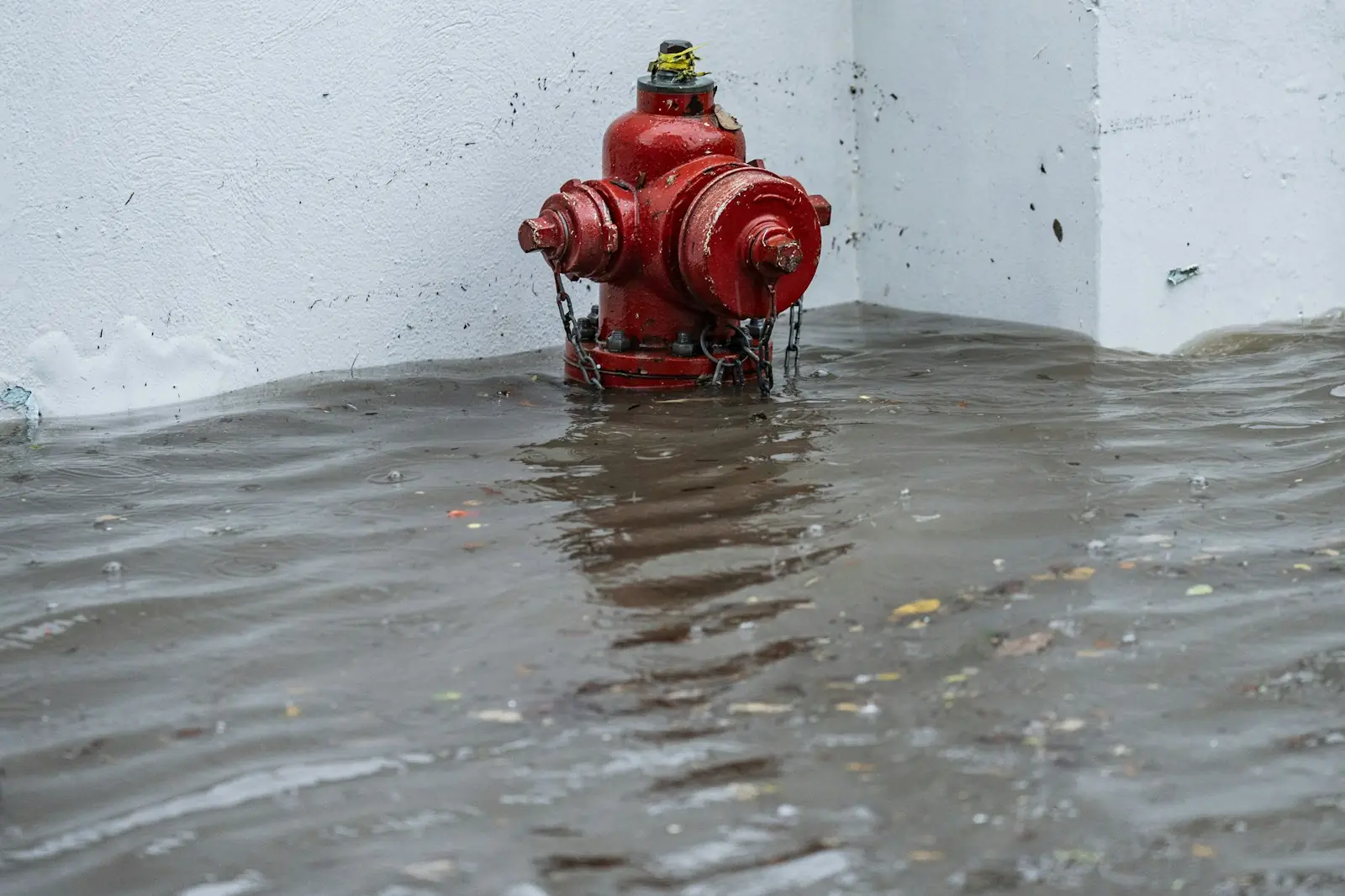
The combined sewer. Like most of the older city, Mott Haven drains rainwater and building wastewater into the same sewer mains. When a downpour fills those mains faster than they can empty, the water has nowhere to go but back — up through the lowest openings it can find: cellar floor drains, basement toilets, laundry sinks.
Low ground by the water. The neighborhood runs down to the Harlem River on the west and the Bronx Kill on the south, and the blocks near the waterfront and along the Bruckner corridor sit low. In a nor’easter or a tropical storm, a high tide on top of surge can push water back up through manholes, catch basins and building connections.
Clogged catch basins. Leaves, trash and grease on the street grates send rainwater across the sidewalk and down cellar stairs.
Converted basements. If a basement apartment has a bathroom set lower than the building’s sewer connection, raw sewage can come straight up its drains. DEP calls out this setup by name.
Why South Bronx basements back up with sewage — the full explainer →
Should I call 311 about a sewer backup?
Yes — while it’s happening if you can. DEP says it inspects a reported sewer backup within six hours of a 311 complaint, though heavy storms can slow that down. If DEP finds the problem in the City’s sewer, they start a repair, and you have 90 days to file a claim with the NYC Comptroller if you believe the City caused your damage. During heavy rain you don’t need a DEP complaint number to file. If the problem is in the building’s own sewer line, the owner gets a Notice to Repair.
Will a backwater valve stop it from happening again?
Sometimes. DEP’s report on sewer backups found backwater valves can work, but they need yearly maintenance and the whole building has to coordinate around them — hard in a walk-up with eight families. DEP points to toilet and drain plugs as cheaper, maintenance-free options that don’t risk backing water up inside the building. A licensed plumber can tell you which fits your cellar.
Know the building, find the water
What breaks in Mott Haven buildings
Every building type here fails its own way. Knowing which one you’re in tells us where to look first.
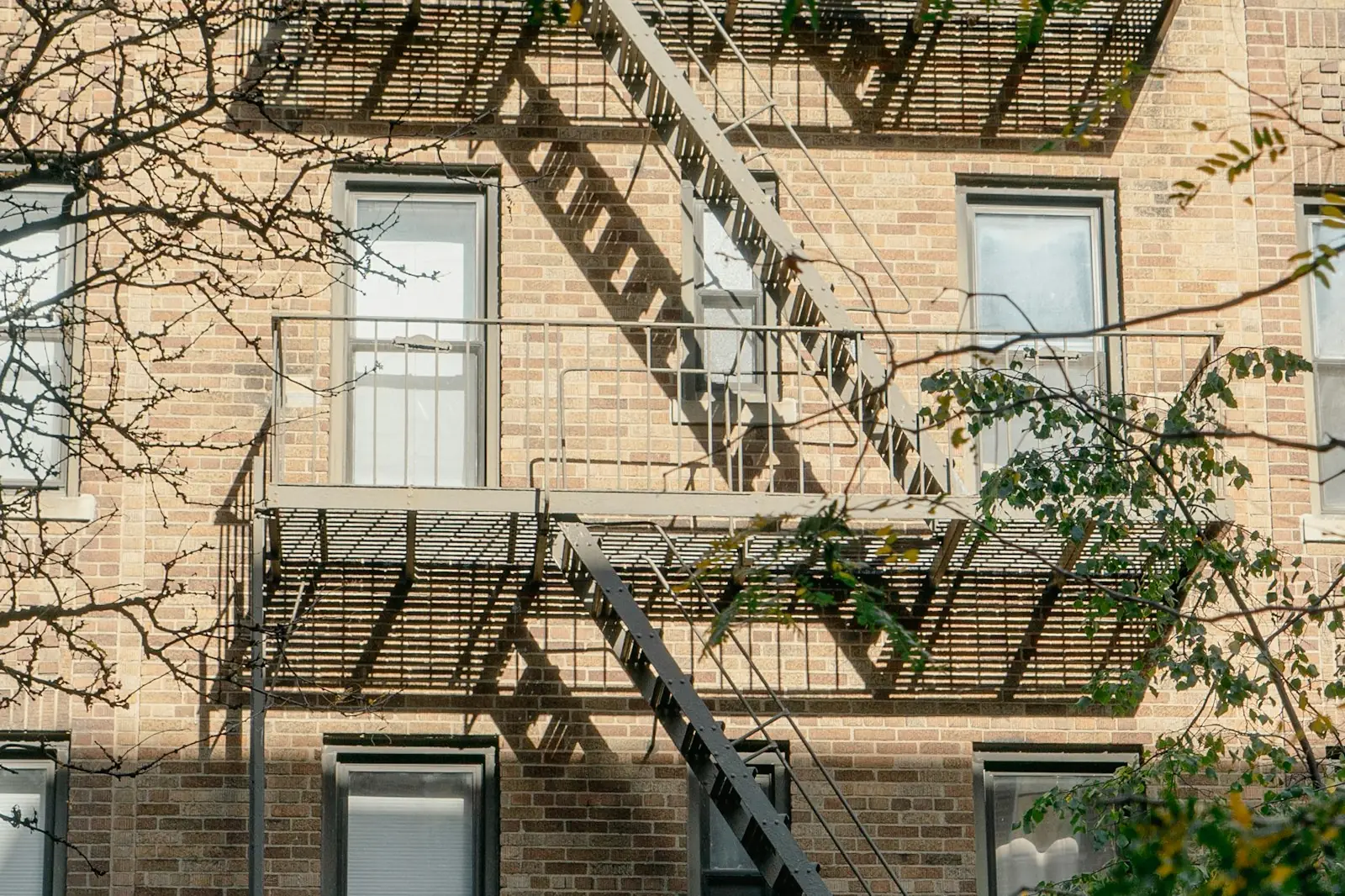
Pre-war tenements and walk-ups
Side streets off St. Ann’s, Brook, Willis and Cypress Avenues
- Galvanized steel risers rust from the inside. They look fine until one splits — often in winter — and water runs down the wall cavity through three or four apartments.
- Cast-iron waste stacks crack and weep at the joints. A leak upstairs shows up as a stain on your ceiling, often with a smell.
- Shutoff valves nobody has turned in years won’t close, so the super ends up killing the whole line.
- Plaster and lath holds water far longer than drywall, and it cracks and drops if it’s dried too hard and too fast. It needs slow, monitored drying.
- Flat roofs with clogged drains pond and leak into top-floor ceilings. The roof is a roofer’s job; the wet ceiling, walls and floor are ours.
Historic rowhouses
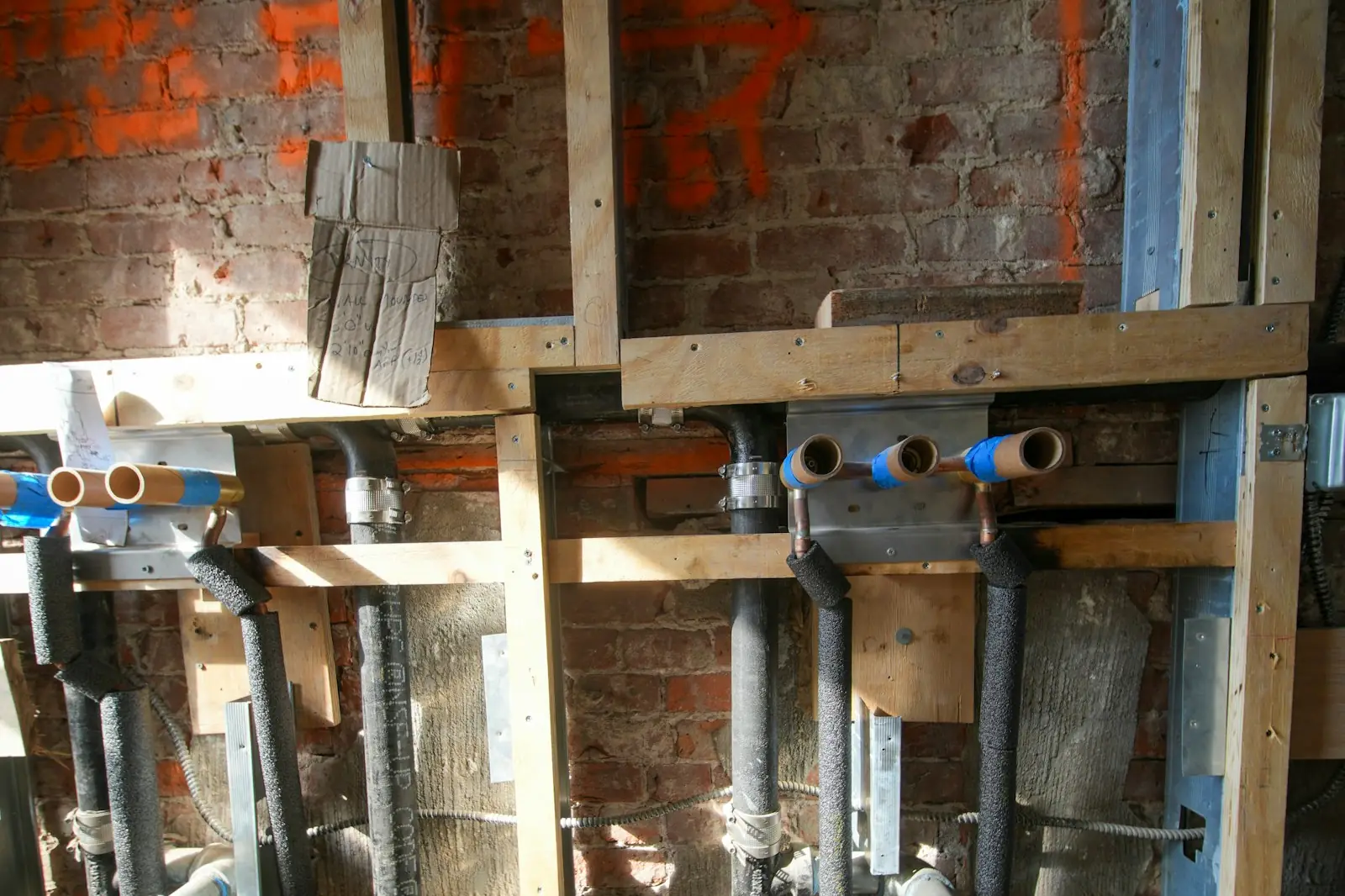
Alexander Avenue between East 138th and 141st Streets and the older rowhouses nearby. Cellars sit below the street and sewer laterals are old enough to crack or root up, so water tends to come in at the cellar floor or the foundation wall. Exterior repairs on a landmarked house generally need Landmarks Preservation Commission approval — drying the inside is a separate job and shouldn’t wait.
NYCHA developments
Mitchel Houses, Mott Haven Houses, Patterson Houses. NYCHA handles its own pipes and walls — file the repair request, keep the ticket, photograph everything. Aging systems here aren’t hypothetical: in October 2025 a boiler chimney partially collapsed at Mitchel Houses on Alexander Avenue, and families went without heat and hot water while crews brought in a temporary boiler.
Newer buildings on Bruckner
New construction floods too. In February 2025, frozen sprinkler heads burst and flooded a newer rental at 138 Bruckner Boulevard. Watch for sprinkler heads near windows and unheated spaces, backed-up HVAC condensate lines, washer and dishwasher hoses, and leaks from the unit above that travel along the slab before they show.
Storefronts on East 149th Street at The Hub, along Third and Willis Avenues, and the workshops and warehouses in Port Morris take the worst of sewer backups and burst pipes from the floors above. Every hour closed costs you money — call us after hours.
Emergency services
What we handle in Mott Haven
Extraction is step one. Getting the building properly dry — and proving it — is the rest of the job.
Sewage backup cleanup
Category 3 extraction, removal of contaminated materials, antimicrobial treatment and drying — with the paperwork for 311, your landlord or your insurer.
Sewage backups →Basement & cellar flooding
Pumping out cellars, basement apartments and boiler rooms after storms, sewer surcharges and burst lines.
Basement flooding →Burst pipe water damage
Riser and supply-line failures that run through several floors — extraction in every unit and drying inside the wall cavities.
Burst pipes →Frozen pipe bursts
The flood usually shows up on the thaw. Fast extraction and careful drying of plaster and old hardwood.
Frozen pipes →Ceiling leaks
Water from the apartment upstairs or the roof — we find how far it spread, protect what’s below and dry the ceiling without bringing it down.
Ceiling leaks →Owners, managers & supers
Multi-unit losses, tenant communication and documentation built for insurance adjusters.
For buildings →More than 9 in 10 households here rent
Renting in Mott Haven? Who pays for what
Homeownership in Mott Haven and Melrose sits around 7 percent. If you rent, here’s how it usually works in NYC.
Your landlord is responsible for:
- Making the apartment livable again after a leak or a sewer backup — even when the backup wasn’t the landlord’s fault
- Repairing the walls, ceilings, floors and plumbing
- Dealing with the upstairs neighbor or the building’s pipes — you shouldn’t be the one chasing them
You may also be owed a rent abatement while the apartment isn’t livable.
You’re usually responsible for:
Your own belongings — furniture, clothes, electronics. Renters insurance covers those; your landlord’s building policy does not. No renters insurance? You may still recover the cost from a neighbor who caused the leak, or from the landlord if neglect caused it. NYC small claims court handles claims up to $10,000.
My landlord says the leak is my fault. Is it?
Usually not. A leak from the building’s pipes or another apartment is the landlord’s to fix unless you damaged the plumbing yourself. Keep your photos, your texts to the super, and the time it started.
My landlord isn’t doing anything. Now what?
- Send a written notice — text or email — describing the damage and asking when it’ll be repaired.
- Call 311 to file a complaint with HPD if the landlord doesn’t respond.
- After a major storm, the City may open a damage reporting portal for water depth, sewage and photos. Use it.
How we help renters: we document the damage with photos and moisture readings and work directly with your landlord, super or property manager. Very often the fastest way to a dry apartment is a clear report the landlord can’t argue with.
What happens when you call
How emergency water extraction works, step by step
- Your callWhere’s the water, where’s it coming from, how long has it been there, who else is getting it. That decides what goes on the truck.
- Safety checkPower, gas, sagging ceilings, and whether anyone needs to clear the area.
- Find all the waterA thermal camera shows cold, wet areas behind walls and ceilings. Pin and pinless moisture meters confirm how wet each material is, and we sketch a moisture map.
- ExtractPumps and extractors pull out standing water. Pulling liquid water out is far faster than drying it with air — the more we get now, the shorter and cheaper the drying. Carpet can often be extracted in place.
- Remove what can’t be savedWith sewage, soaked carpet pad, drywall and insulation usually go. With clean water, more can stay.
- Clean and treatCategory 2 and 3 areas get cleaned and an antimicrobial treatment.
- Dry the structureAir movers and dehumidifiers set for the materials in that room, with readings every visit. Plaster, brick and old hardwood dry slower than drywall — we don’t rush them.
- Final readings and paperworkWe document that materials are dry before anyone closes a wall or lays a floor.
How long does drying take?
A few days for a lot of jobs. Pre-war plaster, masonry walls and old-growth hardwood can take a week or more. The moisture readings decide when it’s dry — not the calendar.
Our dry-standard promise
Equipment stays until the readings show your materials are dry — and you get the readings in writing. No guessing, no “it should be fine.”
Hidden hazards in 100-year-old buildings
- Lead paint: NYC presumes lead paint in pre-1960 buildings where a child under 6 lives; cutting or sanding painted surfaces in pre-1978 housing calls for lead-safe work practices.
- Asbestos: old pipe insulation, floor tile and some plaster can contain it. Bigger repairs that disturb it may need a survey first.
- Mold: can start on wet materials within 24–48 hours. In New York State, mold jobs over 10 square feet need state-licensed mold professionals.
- Old wiring: if outlets got wet, have an electrician check them before anything goes back on.
Straight answers on money
What emergency water extraction costs in Mott Haven
You get a written estimate after we see the damage, before the work starts. These are typical ranges for jobs in Mott Haven buildings — your price depends on what we find.
| Type of job | Typical range | What drives it |
|---|---|---|
| Category 1 Clean-water extraction, one room or small apartment area | $650 – $1,800 | Square footage, how long it sat, carpet vs. tile vs. hardwood |
| Category 2 Gray water — washer, dishwasher, toilet overflow without solids | $1,200 – $4,000 | Cleaning and antimicrobial treatment, materials that can’t be saved |
| Category 3 Sewage backup in a basement, cellar or ground-floor unit | $3,500 – $15,000+ | Protective gear, removal of contaminated materials, size of the cellar, floors affected |
What moves the price
- Category — sewage costs the most because of the gear, the tear-out and the treatment.
- Size — square feet, and how many floors or apartments the water reached.
- Materials — plaster and hardwood take longer to dry than drywall and tile.
- Access — hauling equipment up a five-story walk-up, or running hoses from the street where there’s no driveway or loading zone.
- Time — water caught in two hours costs less to deal with than water that sat for two days.
Who usually pays
In a rental, the landlord or the building’s insurance covers the building; renters insurance covers your things. Homeowners policies commonly cover sudden leaks like a burst pipe. Flooding from outside and sewer backups often need separate flood coverage or a sewer backup endorsement — check your policy.
For context, national cost guides put water extraction at roughly $3.75–$7 per square foot and removal plus drying at roughly $4–$12 per square foot, with sewage at the top end. Full cost breakdown →
Seasons in the South Bronx
When the water calls come in
Our phone rings in waves, and the waves follow the weather.
Summer & early-fall downpours
Short, violent storms overload the combined sewer. When Ida’s remnants hit on September 1, 2021, and again in the storm of September 29, 2023, basements flooded across the city.
Hurricane season & nor’easters
A high tide on the Harlem River and Bronx Kill plus surge pushes water back up into the low blocks near the waterfront.
Deep winter freezes
Pipes in exterior walls, unheated hallways and sprinkler lines freeze and split. The flood often shows up when it thaws, not during the freeze.
Spring thaw
Snow melting on flat roofs finds every crack in the roofing and parapet walls — and the top-floor ceilings take it.
Neighborhood coverage
Where we work in Mott Haven
Mott Haven runs from East 149th Street down to the Bronx Kill, and from the Harlem River east to the Bruckner Expressway. We cover the whole neighborhood and the blocks on its edges.
Alexander Avenue and the Historic District, Third Avenue and East 138th Street, Bruckner Boulevard, the Third Avenue and Willis Avenue bridges, Harlem River Park.
The Hub at East 149th Street and Third Avenue, the Grand Concourse side, the blocks near the Third Avenue Bridge.
St. Mary’s Park, St. Ann’s Avenue, Cypress Avenue, East 143rd through 149th Streets.
Main streets: Alexander Ave, Willis Ave, Brook Ave, St. Ann’s Ave, Cypress Ave, Lincoln Ave, Third Ave, Bruckner Blvd, East 132nd–149th Streets. Near the 6 train: 3 Av–138 St, Brook Av, Cypress Av, E 143 St–St Mary’s St, E 149 St. Every block we cover →
Hablamos español
¿Se le inundó el apartamento o el sótano? Llámenos al (555) 010-1234. Si el agua salió por el drenaje del piso, el inodoro o la bañera durante una lluvia fuerte, trátela como aguas negras: no la toque sin guantes y mantenga a los niños y las mascotas lejos. Si usted alquila, normalmente el dueño del edificio es responsable de arreglar el apartamento y dejarlo habitable; sus pertenencias las cubre el seguro de inquilino. Tome fotos de todo y avísele al súper por escrito. Para quejas, llame al 311.
Straight answers
Frequently asked questions about water extraction in Mott Haven
How fast can you get to my building in Mott Haven?
We run the emergency line 24 hours a day, and a person answers. When you call, we give you an honest arrival time based on where the crew is. Tell us if water is still running or near electrical — that moves you up the list.
How do I know if the water in my basement is sewage?
If it came up through a floor drain, basement toilet, tub or laundry sink — especially during heavy rain — assume it’s sewage. If it smells, it almost certainly is. Clean water from a supply pipe can also turn contaminated if it sits for a day or two.
I rent. Do I have to pay for water extraction?
Usually not. Your landlord is responsible for making the apartment livable again, including drying and repairs, even after a storm-related sewer backup. You’re usually responsible for your own belongings, which renters insurance covers. We can work directly with your landlord or super.
My upstairs neighbor’s leak flooded my apartment. Who fixes it?
Your landlord fixes your apartment. Whether the neighbor or their insurance pays for your damaged belongings depends on what caused the leak and whether they were negligent. Film the active leak and notify both the landlord and the neighbor in writing.
Should I call 311 about a sewer backup?
Yes. DEP says it inspects within six hours of a 311 sewer backup complaint, though heavy storms can delay that. The report also creates a record for any claim later.
Can I file a claim against the City for sewer backup damage?
If you believe a City sewer caused your damage, you have 90 days to file a claim with the NYC Comptroller’s Office. If the backup happened during heavy rain, you don’t need a DEP complaint number to file.
How long does it take to dry out a pre-war apartment?
Often a few days for drywall and tile. Plaster, brick and old hardwood floors can take a week or more. Materials are dry when the moisture readings say so.
Will I get mold?
Mold can start growing on wet materials within 24 to 48 hours, so fast extraction and proper drying are the best prevention. If mold is already growing over more than 10 square feet, New York State law requires licensed mold professionals.
What does emergency water extraction cost in Mott Haven?
Typical ranges run about $650–$1,800 for a clean-water job in one room or a small apartment area, $1,200–$4,000 for gray water, and $3,500–$15,000 or more for a sewage backup in a basement or cellar. You get a written estimate after we see the damage, before work starts.
Can you work inside a NYCHA apartment?
NYCHA handles repairs to its own buildings, pipes and walls, so file a repair request right away and keep the ticket number. We can help you protect your belongings and document the damage for NYCHA or your renters insurance.
Do backwater valves really stop sewer backups?
They can, but DEP says they need yearly maintenance and building-wide coordination, which is hard in multi-family buildings. Toilet and drain plugs are a cheaper option that needs no maintenance. A licensed plumber can tell you which fits your building.
Does insurance cover a flooded basement?
It depends on the cause. A sudden burst pipe is commonly covered. Flooding from outside and sewer backups often need flood insurance or a sewer backup endorsement. Renters insurance covers your belongings, not the building.
Which ZIP codes do you cover?
All of Mott Haven and its edges — 10454, 10451 and 10455 — including Port Morris and the blocks around St. Mary’s Park.
Do you speak Spanish?
Yes — hablamos español. Call (555) 010-1234 and ask for Spanish, or read our Spanish page.
Water in your building right now? Don’t wait it out.
Every hour it sits, water soaks deeper into plaster, flooring and the apartment below. Call now — we’ll tell you exactly what to do while the crew is on the way.